
What Does Comprehensive Insurance Cover?
Let’s be honest… If you own a car, the topic of comprehensive insurance will eventually cross your mind. Most of us tend to postpone it. Phrases like “I already have traffic insurance,” “It’s not mandatory,” or “Nothing will happen to me” become almost automatic. Many people check a quote once, close the page, and say “Maybe later.” But real life doesn’t always go according to plan.
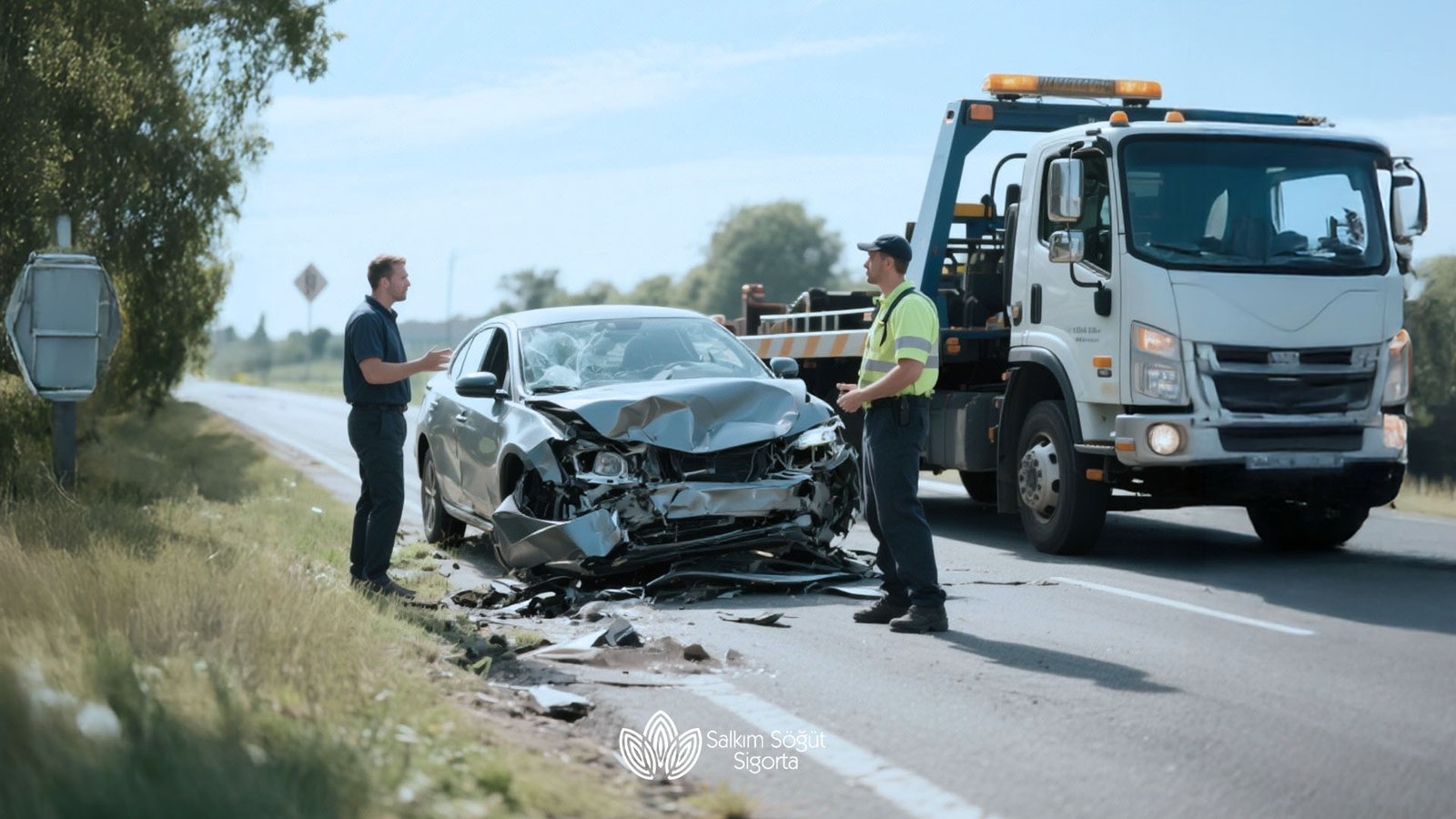
Scraping your bumper while parking, breaking a side mirror on a narrow street, or waking up to a car damaged by overnight hail… These may not be major accidents, but they can seriously hurt your wallet. And in moments like these, the same thought usually comes to mind: “I wish I had comprehensive insurance.” Because even small damages can sometimes cost more than the annual insurance premium.
When people think of comprehensive insurance, they often imagine major accidents, totaled vehicles, or very high costs. In reality, comprehensive insurance isn’t only there for worst-case scenarios. It quietly protects you in many everyday situations — we just don’t always realize it or fully understand its value.
What Is Comprehensive Insurance — and What Is It Not?
The question “What is comprehensive insurance?” may sound technical, but the idea is actually very simple. Comprehensive insurance exists to protect your own vehicle. Whether you’re driving or your car is parked, it stands behind you against unexpected risks. Nothing more, nothing less.
The most commonly misunderstood point is the difference between traffic insurance and comprehensive insurance. Traffic insurance is mandatory and focuses on covering the other party’s damage. If you’re involved in an accident, it pays for the losses of the vehicle you hit — not yours.
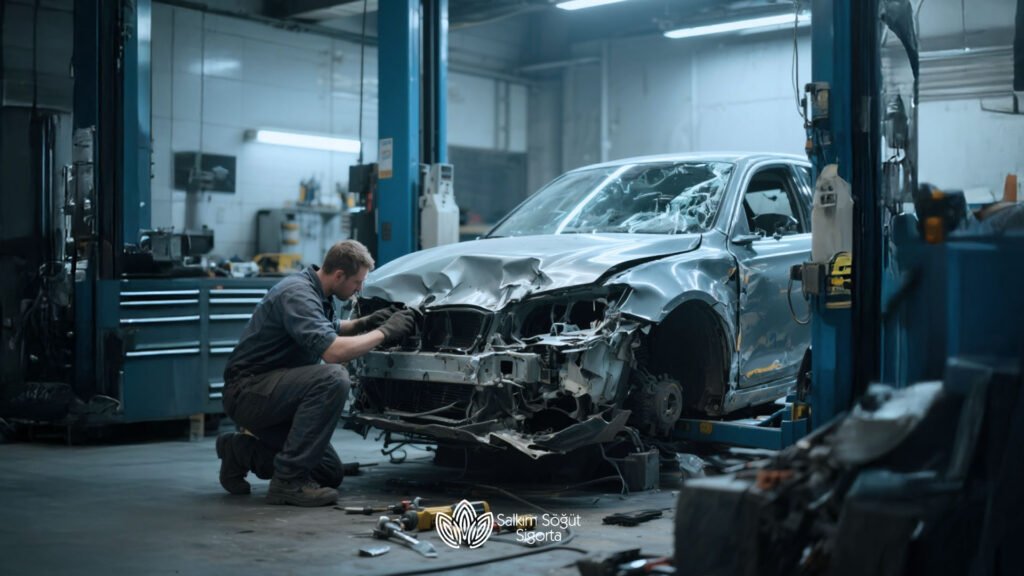
Comprehensive insurance, on the other hand, is fully on your side. Whether you’re at fault or not, it covers the damage to your own vehicle. A scratched bumper, a dented hood, a broken mirror — these are exactly the kind of costs comprehensive insurance takes care of. That’s why relying only on traffic insurance can create a false sense of security.
This is where things get painful. While the other party’s damage may be covered, you could be left alone with your own repair bill. And those bills often turn out much higher than expected. Even minor-looking damage can become a serious expense once it reaches the repair shop.
What Does Comprehensive Insurance Cover?
Every comprehensive insurance policy is built on certain core coverages. These are usually standard and are what truly make the insurance useful. Let’s go through them briefly, focusing on real-life situations.
Collision and impact
This is the most common scenario. Scraping a wall while parking, damaging a mirror on a narrow street, or being involved in a minor traffic accident… Regardless of who is at fault, comprehensive insurance covers the repair costs of your vehicle.
Fire
It may sound unlikely, but it happens. Electrical fires, engine fires, or flames spreading from an external source… If your vehicle is partially or completely damaged by fire, comprehensive insurance covers the loss.
Theft and attempted theft
Your vehicle may be stolen entirely, or damaged during an attempted theft. Broken locks, smashed windows, forced entry… All of these are covered. If the car is not recovered, the insured value is paid; if it is found damaged, repair costs are covered.
Natural disasters
Hail overnight, sudden flooding, strong winds or earthquakes… Comprehensive insurance covers damage caused by natural events. Hail damage, in particular, is one of the moments when drivers truly appreciate having insurance.
Glass damage
A stone hitting the windshield, sudden temperature changes, or external impact… Replacing glass can be surprisingly expensive. Many policies allow windshield and window replacements without affecting your claim record.
Vandalism (malicious damage)
Scratched doors, broken mirrors, slashed tires… These aren’t accidents or theft, but intentional damage. Comprehensive insurance still steps in and covers these losses.
Lost keys
It may seem minor, but modern car keys are expensive. Some policies cover lost or stolen keys, as well as lock replacement costs.
Comprehensive Insurance Can Be Expanded with Additional Coverage
Comprehensive insurance policies are not one-size-fits-all. You can broaden your coverage with optional add-ons.
Optional Third-Party Liability (IMM)
If traffic insurance limits are not sufficient, this coverage steps in and covers high third-party damages through your comprehensive policy.
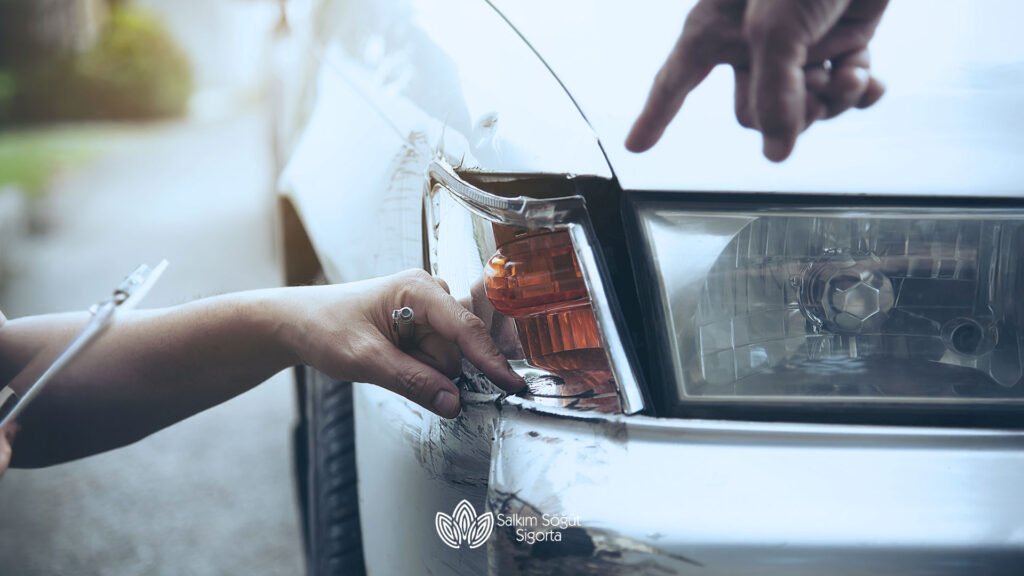
Mini repairs
-
Minor scratches
-
Small dents
-
Bumper scuffs
These repairs are done without affecting your no-claim bonus and are among the most practical coverages in daily use.
Roadside assistance
-
Breakdowns
-
Towing
-
Tire replacement
-
Battery jump-start
Many people only think of insurance after an accident, but roadside assistance is one of the most practical benefits of comprehensive coverage.
Does Comprehensive Insurance Cover Everything?
Let’s be honest: No, it doesn’t.
-
Accidents caused under the influence of alcohol or drugs
-
Driving without a valid license
-
Using the vehicle outside its intended purpose (e.g. commercial use)
-
Intentional damage
These situations are usually excluded from coverage, which is why reading the policy details before signing is so important.

Comprehensive Insurance Costs
When it comes to comprehensive insurance costs, the first thought is usually “Is it expensive?” The truth is, there’s no single price. Every vehicle, driver, and need is different. Factors like the car’s age, how it’s used, location, and chosen coverages all play a role.
Focusing only on the price can be misleading. A cheaper policy may fall short when you actually need it, while a more complete policy can easily pay for itself with just one claim.
Rather than seeing comprehensive insurance as an expense, it’s better to view it as protection against unexpected financial stress. A small scratch, broken glass, or hail damage can quickly turn into a costly repair.
