
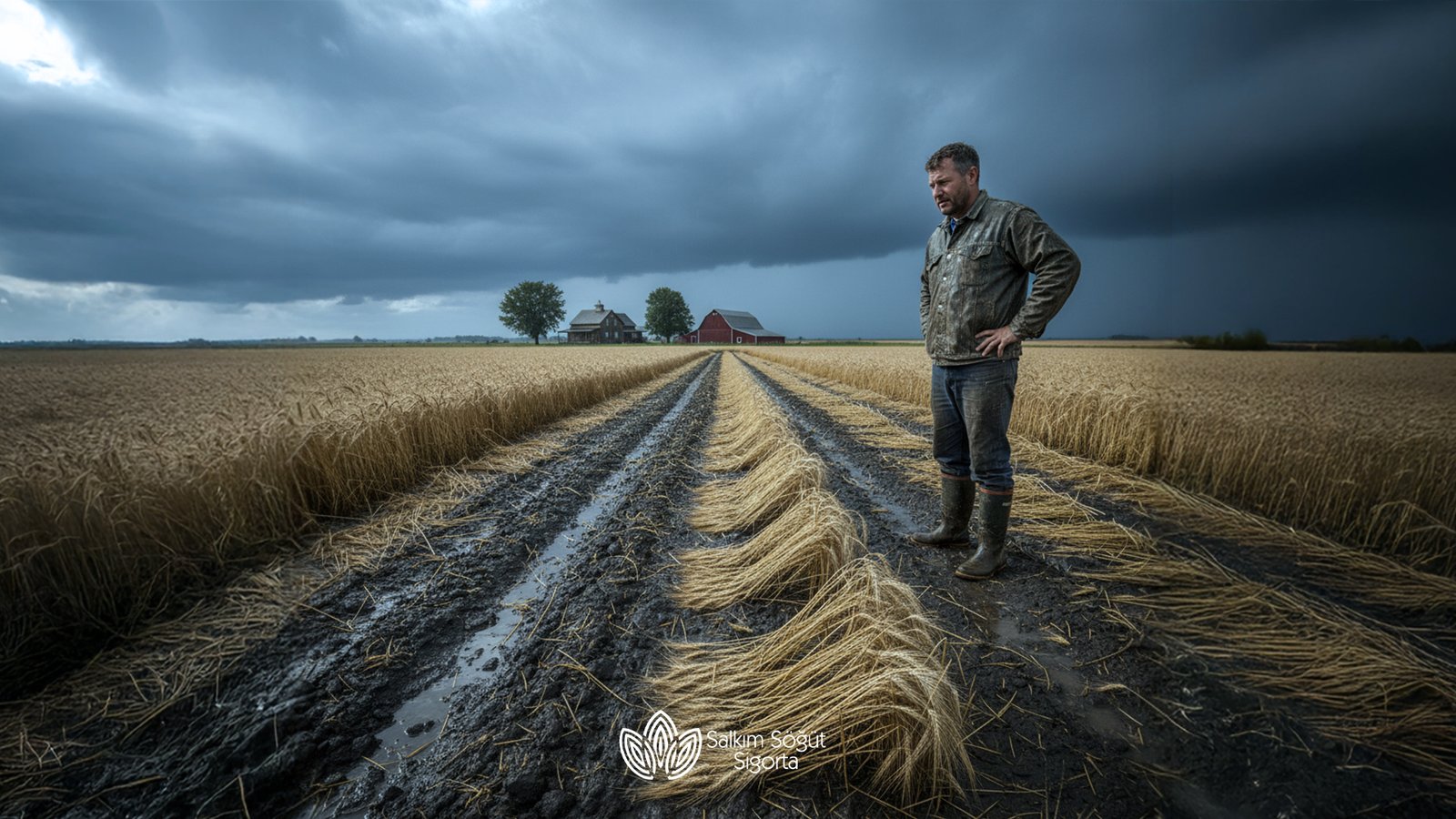
Agricultural Insurance
For centuries, agriculture in Turkey has been not only a source of income but also a cornerstone of our culture and social structure. Our farmers, living in harmony with the changing natural conditions of each season, cultivate their fields and vineyards and orchards not only to produce food but also to sustain the rural economy and support the well-being of society. Agriculture is a process that requires patience, knowledge, and labor; The journey from the seed falling to the ground to the product reaching our tables is shaped by countless factors.
However, no matter how planned and meticulously planned, farming is not completely free of risks. In addition to natural threats such as sudden weather changes, drought, floods, diseases, and pests, market fluctuations, and economic uncertainties can also jeopardize the labor of producers. Years of a farmer’s hard work can be significantly impacted by a sudden negative event. This is where measures like agricultural insurance become not only a guarantee for farmers, but also a beacon of hope for the future.
What is Agricultural Insurance?
Agricultural insurance is a protection mechanism that protects farmers’ years of hard work and investment against unexpected risks. As its name suggests, it doesn’t leave farmers alone in the face of natural disasters, diseases, or economic fluctuations that target agricultural production. Agriculture inherently carries many uncertainties; one year of hard work and cultivation, a sudden rain or drought can disrupt all plans. This is precisely where agricultural insurance comes in.
This insurance doesn’t just cover wheat, corn, or vegetables cultivated in the field; it can also insure other production areas such as greenhouses, orchards, livestock, and even fisheries. For example, if tomatoes grown in a greenhouse are damaged by a sudden hailstorm, or if trees in an orchard are unable to produce due to disease, agricultural insurance provides financial support to the farmer, ensuring both continued production and minimizing economic losses.

Agricultural insurance not only gives farmers a sense of protection; it also paves the way for future planning and sustainable production. Farmers don’t have to bear risks alone, because insurance creates a shield against unexpected adverse events. This way, they can safely plant the seeds that fall into the ground each year, reducing their anxiety while waiting for the harvest and increasing their chances of reaping the rewards of their labor.
What Does Agricultural Insurance Cover?
Agricultural insurance not only gives farmers the confidence that “if there’s a problem, help will come”; it also aims to be there for them at every stage of production. It protects farmers’ labor by covering various risks and supports sustainable production. Here are the main coverages offered by agricultural insurance:
Natural Disaster Coverage: One of the biggest uncertainties in agriculture is nature. Unexpected weather conditions such as hail, floods, storms, drought, or frost can suddenly destroy the hard work you’ve put in throughout the year. For example, sudden hail in summer can destroy a large portion of crops. This is where agricultural insurance comes in, compensating farmers for this loss and allowing them to continue production.
Disease and Pest Coverage: Diseases and pests that threaten your crops in the field or garden are among the most common problems farmers face. Agricultural insurance helps protect your crops from these risks and minimizes unexpected losses. This way, farmers won’t feel alone when faced with a natural disaster or disease.
Animal Insurance: Agriculture isn’t just about plants; livestock is also an important part of the family economy. Animals can be insured against illness, accidents, or natural disasters. This way, when an animal is lost, the farmer is supported both financially and emotionally.
Greenhouse and Equipment Coverage: In modern agriculture, greenhouses, irrigation systems, and other equipment are the heart of production. When these equipment are damaged, production disruption is inevitable. Agricultural insurance covers your greenhouses and equipment, ensuring your production continues without interruption. This way, the farmer not only secures their crops but also their investment.
The Importance of Agricultural Insurance
To understand the importance of agricultural insurance, it’s sufficient to look at the daily lives and risks of farmers. Agriculture is inherently fraught with uncertainty. One year can be fruitful, while the next, a sudden hailstorm or drought can undo all your hard work. This is where insurance offers farmers the following advantages:
-
Economic Security: Farmers are protected from financial hardship due to crop loss or livestock deaths. Insurance compensates for losses and allows production to continue.
-
Psychological Comfort: Agriculture is a profession that requires patience and effort. Being insured provides mental peace to farmers and reduces the anxiety of “what if a disaster happens?”
-
Investment and Development Opportunities: Being insured allows farmers to try new techniques and use modern agricultural methods. Insurance is, in fact, an investment in the future.

Agricultural Insurance Types
Agricultural insurance is offered in different ways depending on the needs of farmers. Because every farmer has different production patterns and risk profiles, diversifying insurance is crucial. Here are the most frequently preferred types of agricultural insurance:
Hail Insurance: Hailstorms are a common natural event in Turkey, especially during the summer months. A sudden hailstorm can wipe out years of hard work. Hail insurance protects your crops against this type of damage, providing protection against unexpected losses.
Drought Insurance: Water is the most basic need for agriculture. However, irregular rainfall and climate change can seriously impact production. Drought insurance covers crop losses due to water shortages and offers farmers significant peace of mind.
Farmer-Supported Insurance: State-supported agricultural insurance provides financial support to farmers by covering a portion of the premiums. This is a significant advantage, especially for small and medium-sized farmers. It both reduces costs and ensures continuity of production by sharing risks.
Animal Insurance: Agriculture is more than just crops; livestock is also an important part of the family economy. If cattle and small livestock are lost due to illness, accidents, or natural disasters, this type of insurance comes into play and supports farmers both financially and emotionally.
Advantages of Agricultural Insurance
Agricultural insurance is important not only in case of loss, but also for long-term planning and sustainable agriculture. Here are the main advantages:
-
Risk Management: Agricultural insurance protects farmers against various risks, making production planning more secure.
-
Easy Credit: Banks and financial institutions are more flexible when providing loans to insured farmers. Because insurance is seen as a guarantee of investment.
-
Production Continuity: Insured farmers do not interrupt production in adverse situations. Thanks to insurance, agricultural activities continue and the rural economy remains vibrant.
-
Increased Motivation: Farmers are more motivated to continue their work when they have the assurance that they will be rewarded for their labor.

Agricultural Insurance and Government Support
Agricultural insurance in Turkey is a field supported by the government. The Ministry of Agriculture and Forestry encourages farmers to purchase insurance by providing premium support at certain rates. These supports significantly reduce insurance costs for small and medium-sized farmers. Government-supported insurance makes agricultural risk management more accessible.
Agricultural Insurance Prices
Agricultural insurance prices you receive through our agency are calculated specifically based on your type of production, the size of your field, and the coverage you choose. Our goal is to ensure our farmers receive the best possible protection for both their crops and their investments.